Does laser hair removal hurt? It's the most common question that comes to everyone’s mind, and they ask loudly while interacting with doctors. The fear of pain is common among people and stops them from opting for the laser hair removal treatment that could change their day-to-day routine.
The honest answer to this question is ‘yes’. You will definitely experience some pain, but it’s much less than what the majority of people expect. Your actual feeling depends on numerous factors, and getting a clear understanding of them makes a difference.
This post lets you understand whether hair removal causes pain or not, and also laser pain management.
What Does Laser Hair Removal Actually Feel Like?
The actual feel depends on the treatment area. You will not experience any pain or sensation in fleshier zones, including arms and legs. These can be more comfortable. But, any sensitive zone can feel more intense, be its bikini line, upper lip, or underarms.
You will also experience a warming sensation as the laser targets hair follicles beneath the skin, which the majority of people find less painful or tolerable.
The credit goes to continuous innovation and placement in laser equipment. It's built on cooling systems and refined wavelengths and has contributed a lot to making treatment highly comfortable compared to earlier.
Pain Scale by Body Area - From Almost Nothing to More Intense
You need to understand that not every body part is created equal for laser hair removal discomfort. Let’s go through a complete breakdown area-by-area to help you understand what to expect:
Legs
Legs feel low discomfort. Most people feel minimal sensation while undergoing leg sessions. It’s often referred to as little more than a warm flick.
Underarms
It feels low to mild discomfort, even though it is a sensitive area of the human body. Sessions are usually for a shorter period. As far as discomfort is concerned, it’s less and easily manageable.
Upper Lip
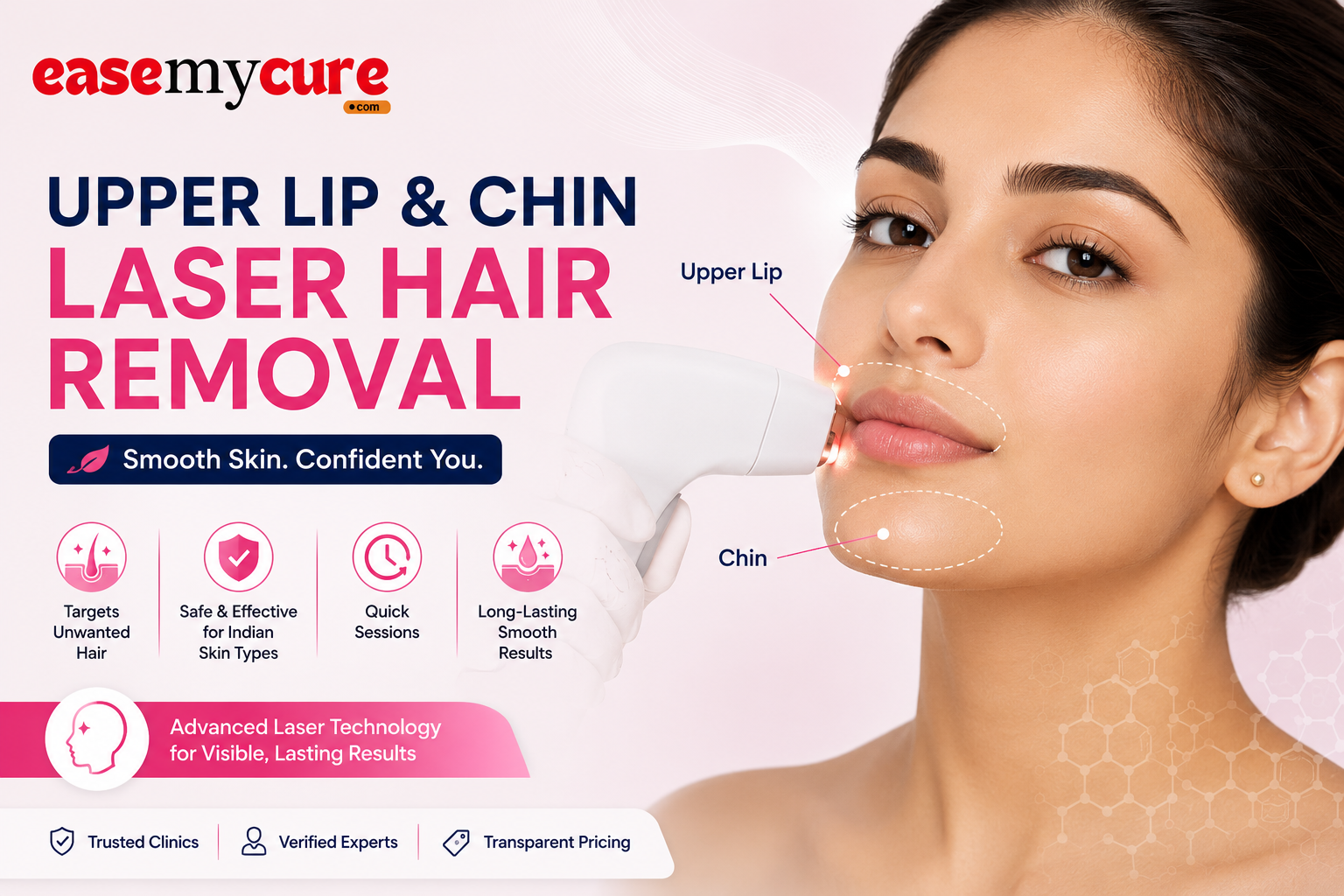
It feels mild to medium discomfort. In this body part, the skin is thin and extremely close to the bone, which makes it highly sensitive. It’s quick to treat, though, and any intensity goes down in a shorter period.
Bikini Line
This area of the body feels medium to high discomfort since it’s one of the sensitive zones of the body. It consists of thin skin and higher nerve density. It’s indeed tolerable for most, but indeed sharp compared to other areas.
Back
It feels less discomfort due to thick skin and a large surface area. Due to this, the back is considered to be one of the most comfortable areas to treat overall.
Why Some People Feel More Pain Than Others
One thing you need to understand is that laser hair is not a one-size-fits-all experience. The laser hair removal pain level depends on the person. Let’s explore certain personal factors that impact how much experience you will experience:
- Skin Sensitivity: Patients with sensitive or reactive skin feel the laser pulses with higher accuracy. Eczema or any similar skin disease can increase the discomfort too.
- Hair Thickness: Thicker or coarser hair has a tendency to absorb laser energy extensively during treatment. It converts into a strong sensation at the follicle level.
- Hormonal Cycle Timing: During this period, estrogen levels are generally high. It minimizes sensitivity. Days before the hormonal cycle timing are generally more painful for treatment.
- Plain Threshold: The pain tolerance ability of an individual depends from person to person. If an individual feels less pain for a laser hair removal treatment, others can feel more pain for the same treatment.
- Hydration Levels: If a patient’s skin is hydrated, he/she feels less pain during the treatment. On the other hand, patients with dehydrated skin feel more sensitive and also face slow recovery after completion of the session.
How Clinics Manage Pain - Numbing Creams, Cooling Systems & Technique
A reputed clinic not only provides better treatment but also focuses on minimizing laser hair removal discomfort. They do it by taking the following measures.
Numbing Creams
Medical professionals apply this cream to patients before they start the session. It’s applied 30 to 45 minutes before the start of the session. The cream includes EMLA or any similar one with dull surface sensitivity. They are specifically recommended for higher sensitive zones such as the upper lip and bikini line.
Cryogenic Cooling Systems
A large number of laser equipment come with built-in cryo cooling. It blasts cold air onto the skin milliseconds before every pulse, which numbs the area.
Cooling Gels
In some clinics, medical professionals use chilled aloe on the basis of gels before and even during the treatment. It soothes the surface of the skin and minimizes that residual heat sensation between different pulses.
Adjusted Machine Settings
A professional technician calibrates laser intensity, pulse speed, and wavelength to your sensitivity and specific skin type. It offers effectiveness even without pain.
How to Prepare for Less Pain - Patient-Side Tips
You can experience less pain with effective preparation during the treatment. Explore what to do:
- Skip Caffeine on the Day: Energy drinks and coffee increase nerve sensitivity and make your skin highly reactive. You can swap them for better water on treatment day.
- Time It Around Your Cycle: You need to avoid scheduling your treatment in the week before your period when skin sensitivity peaks. The week after is indeed a highly comfortable window.
- Moisturize Consistently Beforehand: Make your skin hydrated in the days that lead up to your appointment, as it responds to laser energy and recovers quickly after the session.
- Avoid Waxing or Plucking: Don’t wax for four weeks before you undergo the treatment. The laser requires the hair follicle to be intact to work better, and removing the root increases skin sensitivity.
Modern vs Older Laser Technology - Why 2026 Machines Hurt Less
Laser treatment is becoming more advanced day by day with technological advancements. The equipment your clinic uses matters a lot for your discomfort:
Diode Lasers with Integrated Cooling Tips
Modern diode lasers have the potential to cool the skin while offering pulses. It’s not possible with old machines that treat first and cool later on.
Nd:YAG Advancements
Cutting-edge Nd:YAG lasers yield longer pulses and world-class energy distribution, which makes them good for sensitive skin tones while remaining quite effective.
What to Ask Your Clinic
Before you book, you need to ask a question: “What laser model does your clinic use?” “Does your model have integrated cooling?” A detailed and confident answer indicates an up-to-date and reputable clinic.