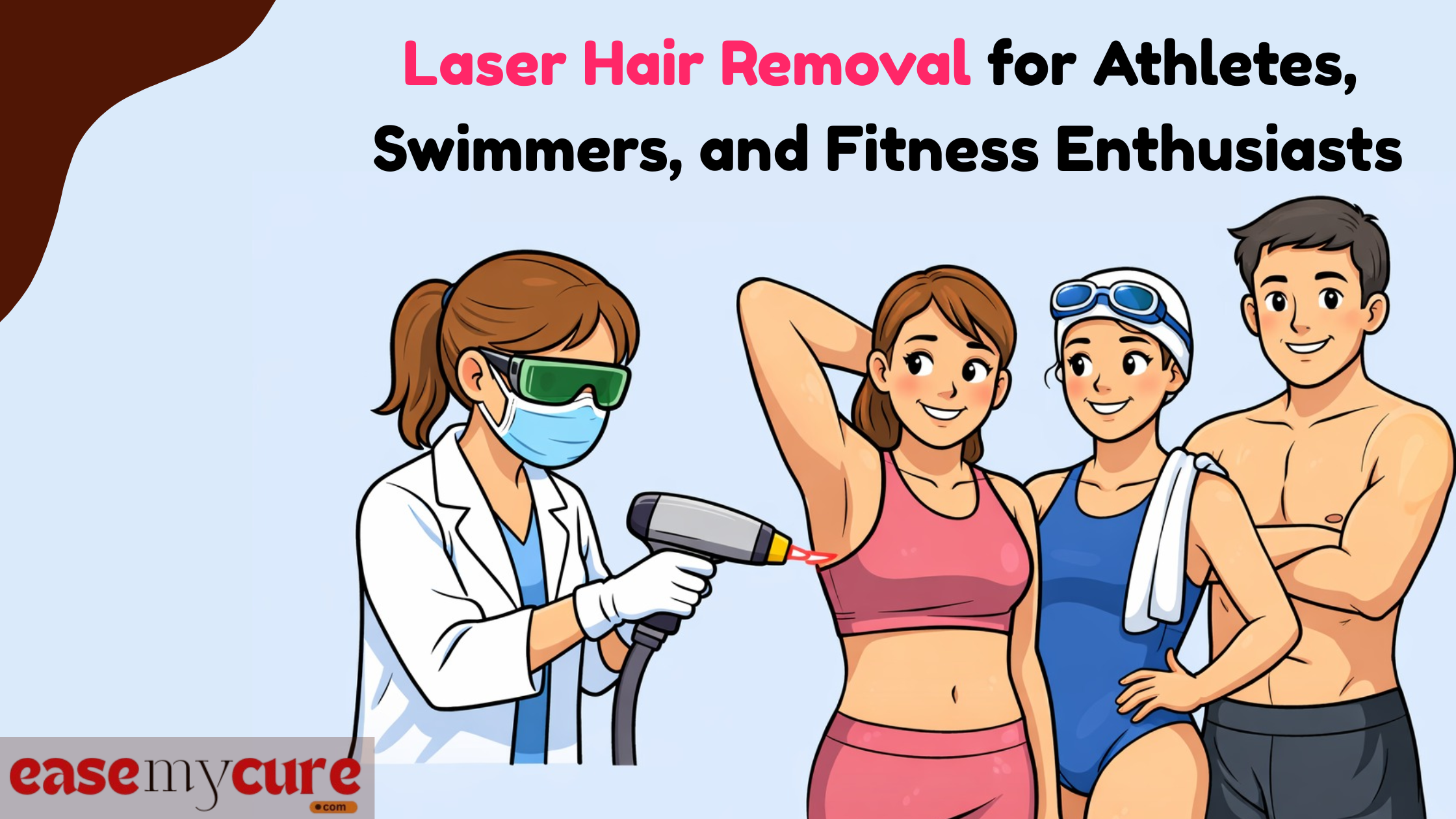

Shaving and waxing may feel routine, but for athletes, swimmers, and fitness enthusiasts, shaving can create a repeating cycle of irritation, ingrown hairs, and constant upkeep. That cycle can interfere with their training. Razor burns under compression gear can sting especially bad and interfere with an athlete's performance. Not just that, but Post-wax sensitivity can make workouts and pool sessions a lot more uncomfortable.
To counter this, laser hair removal for athletes offers a more long-term way to manage that problem. Many active people choose it for comfort and convenience, not just appearance. This blog explains how laser hair removal for athletes can fit into an athletic routine. It covers common treatment areas for active lifestyles, how to plan sessions, and what results to expect to stay on track as an athlete.
Common Hair Removal Challenges Faced by Athletes and Fitness Enthusiasts
For athletes and fitness enthusiasts, the goal is usually comfort and fewer skin problems during training. It is not about having perfectly smooth skin. A few issues tend to come up repeatedly:
- Razor bumps and ingrown hairs: Often seen in the underarms, bikini line, thighs, and chest or neck area.
- Chafing: Freshly shaved or waxed skin can sting when repetitive movement rubs the same area.
- Stubble discomfort: Regrowth can feel itchy under tight clothing or straps.
- Sweat and irritation: Sweat and laser hair removal can be an issue as it increases redness and makes bumps more inflamed.
- Dark marks after repeated inflammation: Ongoing irritation can leave lingering pigmentation, especially in deeper skin tones.
When training is consistent, frequent shaving or waxing often becomes harder to maintain. It can also lead to increased irritation over time.
Why Laser Hair Removal Can Work Well for Athletes and Swimmers
Laser hair removal reduces hair growth over time by using light energy to target pigment in the hair follicle. Results do not happen after a single appointment. Most people need minimum 2 to 6 laser treatments because hair grows in cycles. Here’s why it can suit the routine of an athlete:
- Less frequent shaving: Many people shave less often over time as hair growth decreases.
- Fewer ingrowns and bumps (for many): Shaving less often can reduce common triggers for irritation.
- Easier long-term upkeep: Once sessions are planned into a schedule, maintenance can feel simpler than regular hair removal.
Laser hair removal for athletes works best when it is done safely and correctly. This includes using the right device, choosing settings that match the person’s skin tone, following aftercare advice, and keeping realistic expectations about the number of sessions and future maintenance.
Scheduling Rules to Follow
Many clinics suggest skipping intense workouts for at least 7 days after treatment, as per the FDA. This is often 24–48 hours, depending on how the skin reacts and which area was treated.
Here are scheduling approaches that usually work well:
- Book a session right after an intense training session. This allows the following day to stay lighter.
- Plan low-sweat options the next day, such as mobility work, walking, stretching, or light technique drills.
- Wear breathable, loose clothing instead of tight compression gear, especially for the thighs or bikini line.
- Skip heat-heavy activities like saunas or hot yoga during the recovery window, unless the clinic advises otherwise.
- If redness occurs easily or the area experiences a lot of friction, a longer break often feels better for the skin.
Gym Hygiene and Aftercare Basics
Once the aesthetician says training can resume, these basics usually help support recovery:
- Shower with lukewarm water.
- Use a mild, fragrance-free cleanser.
- Avoid harsh scrubs or exfoliation for a few days, or for as long as the clinic recommends.
- Pat the skin dry instead of rubbing it.
- Use a simple moisturiser recommended by the provider.
- Do not pick at bumps or “peppery” dots. These can be normal follicle responses and often settle on their own.
High-Friction Zones that Athletes Often Treat
Athletes often choose areas that feel uncomfortable during training, especially where sweat and rubbing are common:
- Underarms
- Bikini line
- Inner thighs
- Lower legs
- Chest or back, often for men and competitive athletes
- Neck or shoulders, when gear rubbing is an issue
Sport-specific needs often shape sweat and laser hair removal choices. For example, runners and cyclists often focus on their thighs. Swimmers commonly focus on the legs, arms, and bikini line. Lifters often prioritise the underarms.
Laser Hair Removal for Swimmers
Swimming adds chlorine exposure and prolonged contact with water. Many clinics advise a short “no pool” window after laser hair removal for swimmers, for 7 days. The safest approach is to follow your clinic’s exact return-to-swim instructions based on your skin reaction and the area treated.
Chlorine Irritation Considerations
Chlorine can dry the skin and increase sensitivity after treatment. Many clinics suggest rinsing immediately after swimming, using a gentle, fragrance-free cleanser for a few days, and moisturising consistently. If stinging or redness increases, this often signals that the skin needs more recovery time. Anyone who already experiences pool-related dryness or eczema-like flares with laser hair removal for athletes should mention this during the consultation.
UV Exposure and Tanning Rules
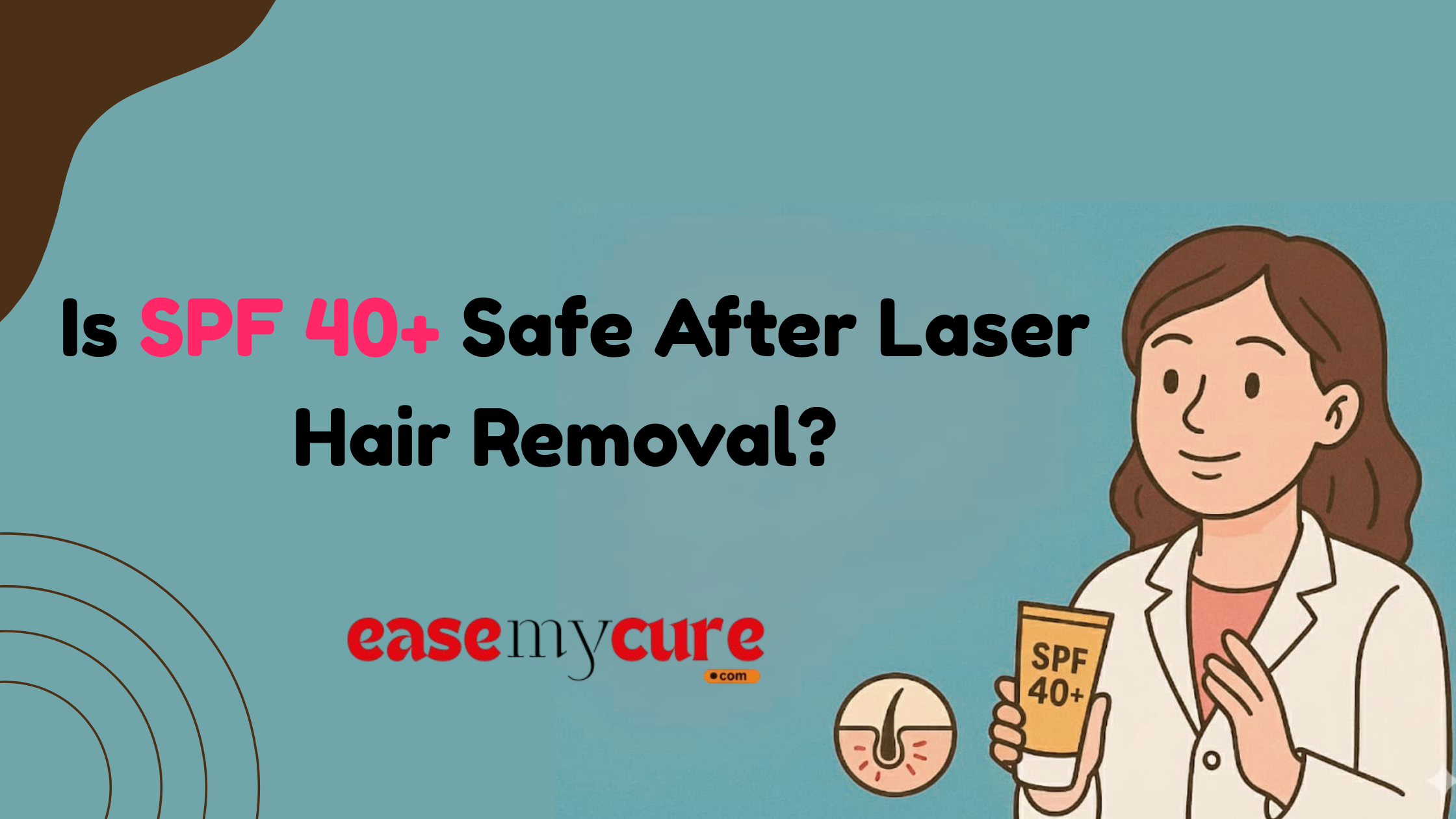
Sun exposure is a major safety factor with lasers because recently tanned skin has more melanin, which can absorb more energy and increase the risk of burns or pigmentation changes. Since outdoor swims and meets can lead to accidental exposure, many clinics advise avoiding tanning before sessions, limiting UV exposure after laser hair removal for athletes sessions while the skin is sensitive, and using sunscreen on exposed areas once the provider approves it. Any recent sun exposure should be shared with the clinic, even if there is no visible burn.
Swimmer-Specific Areas
Swimmers commonly treat the legs and arms, bikini line, and underarms because these areas experience frequent suit friction, shaving, and visibility during training. Some also treat the face or neck, but these areas can be more reactive and sometimes influenced by hormones, so they often require more cautious settings and realistic expectations.
Safety and Side Effects to Look Out For
Short-term effects can include redness and warmth, mild swelling around follicles, sunburn-like sensitivity, and temporary dryness or mild itching. Some common considerations are outlined below.
Red Flags
Blistering, burn-like scabbing, severe or worsening pain, a spreading rash or hives, pus, increasing swelling, fever, sudden intense discolouration, or any signs of infection are not expected. In these cases, the clinic should be contacted immediately, and medical care should be sought if symptoms feel severe or continue to worsen.
Pigmentation Risk and Why Settings Matter
Pigmentation changes can occur when settings do not match the skin tone or when sun exposure guidance is not followed. Laser hair removal for athletes can still be safe for darker skin tones, but the clinic must use a suitable device, choose conservative settings, consider patch testing when appropriate, and provide strict sun guidance.
Rare Risk: Paradoxical Hair Growth
In rare cases, laser hair removal for athletes can trigger increased hair growth in nearby areas, also known as paradoxical hypertrichosis. A responsible clinic will mention this risk, document baseline hair growth, and explain the next steps if it occurs.
Non-Negotiables
A safe clinic should provide proper eye protection, a clear intake and skin assessment, written aftercare instructions, and transparent documentation of what was done. If these basics are missing, this is a strong warning sign.
How to Choose a Clinic Based on Cost and Safety
Choosing a clinic is not only about price. It is also about safety, skin outcomes, and how well the plan fits a training schedule. Let’s look at the factors that influence cost and help with selecting a suitable clinic.
What Drives Pricing
Pricing depends on the treatment area size and the number of sessions recommended, and the device type. Now pricing can also be an indicator of the clinic's standards, such as trained staff and hygiene practices. If you're going for packages, note that they can offer better value, but they are only helpful when the terms are clear.
Questions to Ask Before Booking
Before booking, it helps to ask which device the clinic uses and why it suits the skin tone. A patch test policy, exercise and swimming guidelines, and a realistic session estimate should also be discussed upfront. For packages, clarity matters most. This includes what is covered, whether touch-ups are included, how missed sessions are handled, and what long-term maintenance looks like.
Red Flags to Watch For
A clinic may not be a safe choice if it promises guaranteed “permanent” results or “100% removal.” It is also a concern if there is no intake process, no skin assessment, or vague answers about device settings and safety protocols. Customers should know that pressure selling can also be another warning sign especially when it prioritises quick payment over clear information.
How Easemycure Provides You With the Right Fit
If the goal is safe treatment and predictable results, comparing clinics can help avoid preventable issues. EaseMyCure supports this comparison in a transparent way, making it easier to shortlist providers, ask the right questions, and choose an option that fits both training needs and skin requirements.
Planning for Smooth Training and Safer Results
Laser hair removal for athletes can work well because their line of work involves rigorous physical activity, reducing interference from body hair. It can help with repeated cycle of shaving-related irritation, bumps, and friction from tight clothing. Good results usually come down to planning. Individuals should follow the buffer period recommended between laser sessions and heavy sweating. This is important because it helps keep aftercare simple and consistent.
For anyone considering laser hair removal for athletes or swimmers, it helps to schedule sessions on lighter training days. Choosing a clinic that documents settings, explains risks clearly, and sets realistic expectations can also make a difference. EaseMyCure can help people compare trusted and affordable providers, reducing uncertainty when choosing a clinic.