
The straightforward truth of hair restoration is that the operation is mere half the battle. The proper post procedure hair transplant steps are the ones needed to ensure that your grafts are healthy and will give you natural results. It is the surgeon who implants the follicles but until then, your body needs the right care, nutrition and environment to repair them and enable them to grow successfully.
The most advanced process will take the assistance of a systematic recovery plan to achieve its intended aim. On the other hand, frequent follow-up therapy prevents complications, improves the survival of grafts and prevents the worsening of hair density. This guide will help you to know hair transplant aftercare all the phases of recovery and the way to cope with it.
First 72 Hours: Protecting your grafts.
The first 3 days are the most sensitive period of graft care after the transplant period. The follicles that are attached now are not well established on the scalp and easily move. Even the slightest friction or accidental contact can affect the final product.
The recipient area should not be touched or scratched. Prevention of swelling is by making sure that the head at the time of sleep must be elevated at a 45 degree position to make contact with surfaces. It is also not advisable that you perform actions that increase blood pressure including stooping, strenuous movement or sweating.
The proper care accorded to you in the first few hours largely determines the success of your transplant.
Week 1 Aftercare Routine
The initial week is to be devoted to preventing infection and maintaining the recently implanted grafts. The scabs are normal to form and they should never be touched.
Day 1–3: Essential Care
- Saline spray must be applied between 30 and 60 minutes to maintain the hydration of the grafts.
- Do not sponge or touch the scalp.
- Lean back your head on the neck pillow.
- Stay out of the sun, perspire and exercise.
Day 4–7: Gentle Washing Begins
- Wet and apply a sulfate free and mild shampoo to create foam.
- Also apply foam on your head lightly without rubbing.
- Wipe with low-pressure water.
- let the scabs which nature strips.
With the help of this hair transplant recovery routine, good hygiene is observed and sensitive grafts are conserved.
Week 2-4: Shedding, Growth Transition and Healing
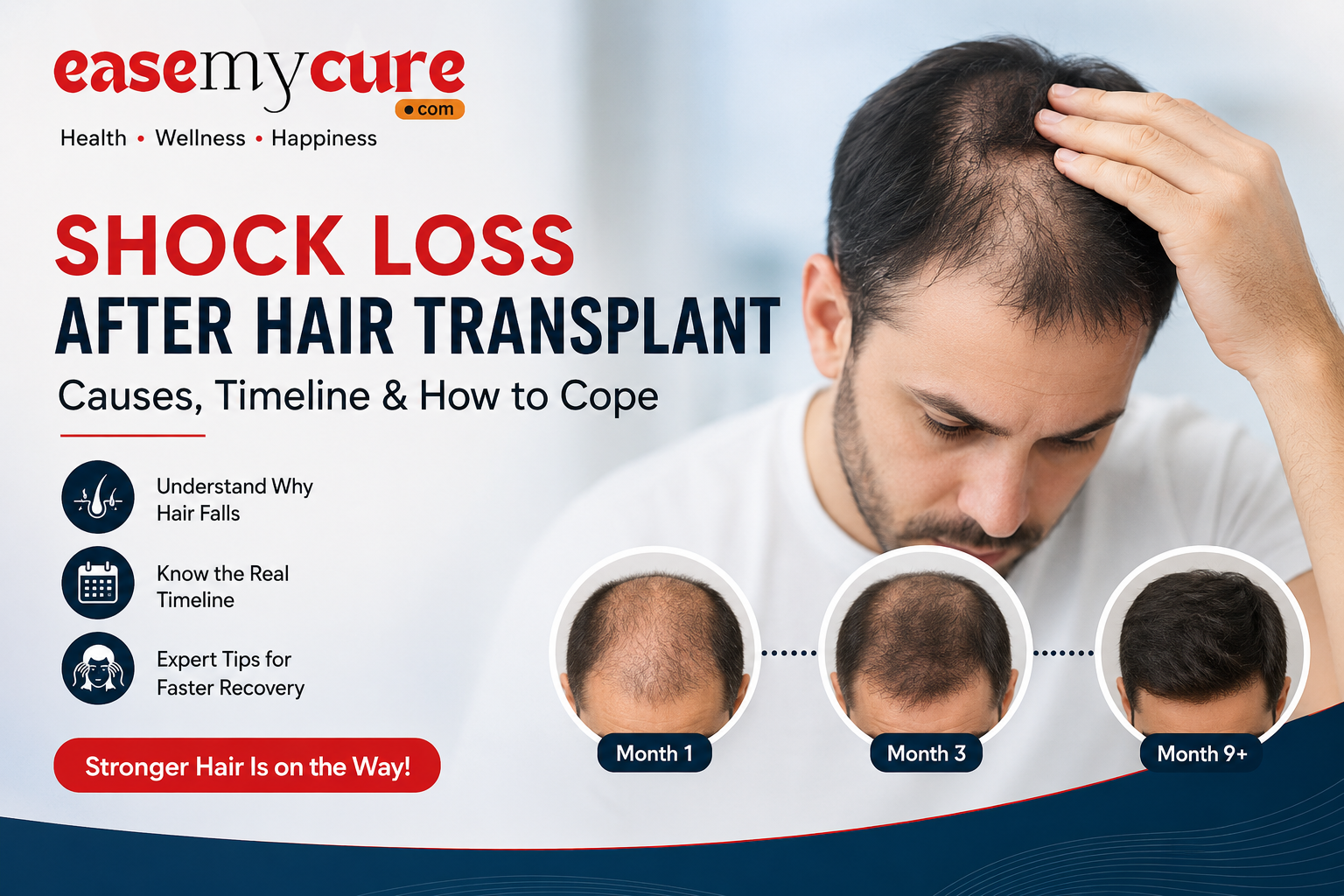
With scalp healing the grafts will be more stabilized and the scales will fall off. Things like slowly resuming your normal routine of washing your hair are also possible but you still need to be careful with it. In this phase most patients undergo the phenomenon of Shock Loss After Hair Transplant whereby hairs that have been transplanted fall out in the short term.
It is a natural process of hair growth and should not be taken as a failure. The follicles are not destroyed and new hair will start growing in a matter of months. Thus, understanding Shock Loss After Hair Transplant is key to staying patient as new growth typically appears within 2 to 4 months.
Light physical activities may be resumed, but intense exercises or those that cause pressure to the head are to be avoided. The important aspect of this stage is patience to get long-term outcomes.
Critical Hair Transplant Aftercare Products
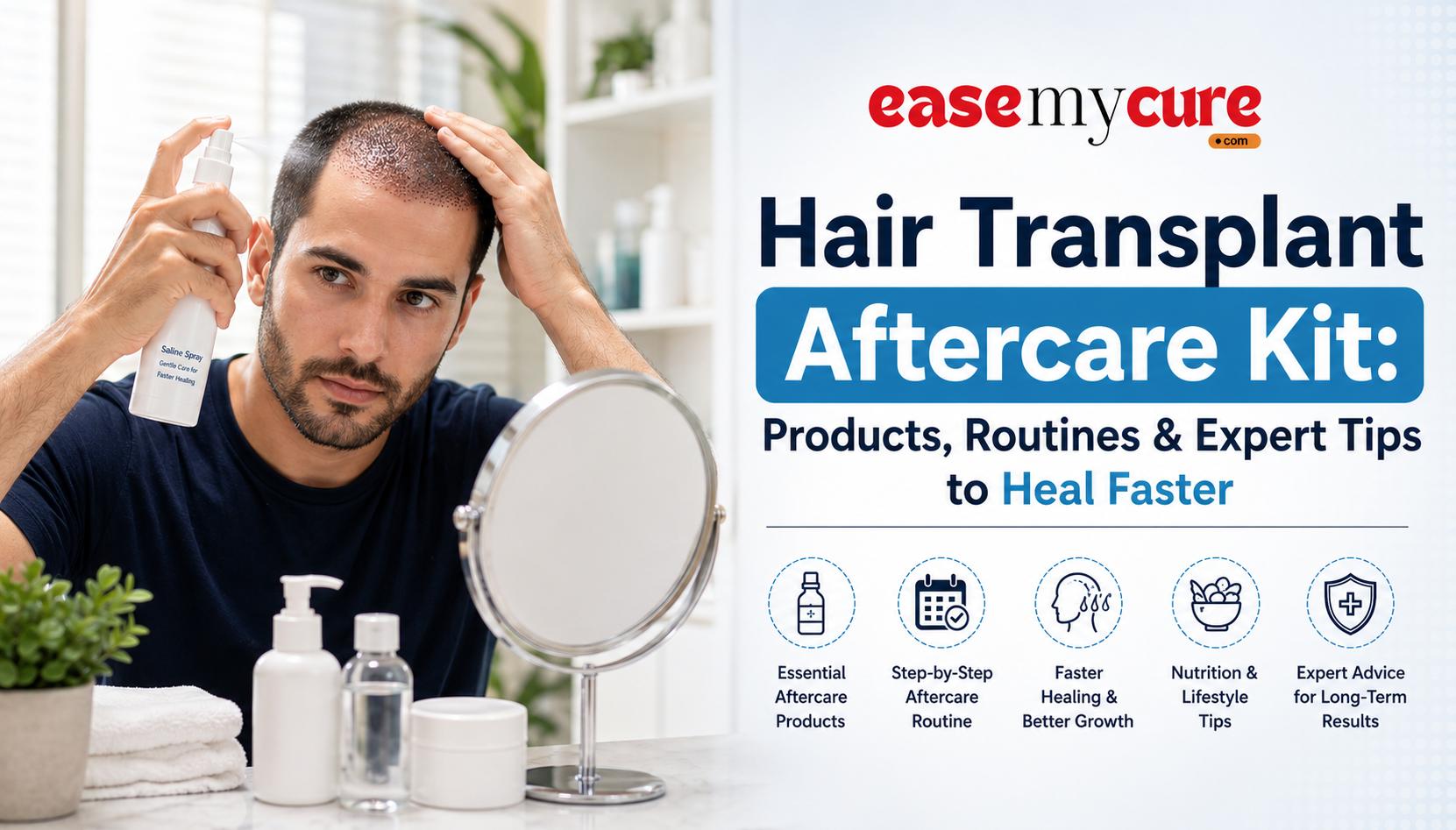
It is never difficult and fruitful to prepare your hair transplant aftercare products in advance and make the process of recovery more efficient. The following necessities can help in keeping your scalp safe and help in the healing process:
- Saline spray is used to keep grafts hydrated within the first 72 hours.
- PH-balanced sulfate-free mild baby shampoo.
- SPF 50 protection of the scalp for two weeks.
- That hat does not go to the hairline.
- Biotin pills to grow hair.
- A neck pillow to maintain the right position when sleeping.
These products are widely recommended in post hair transplant care India protocols followed by top clinics.
Nutrition & Lifestyle to Get Well Faster
The healing is not solely grounded in external medication, but also in internal nourishment. Foods with high protein content are required to repair tissues but other nutrients like zinc contribute towards cell regeneration and follicle strength. The hydration state keeps the blood in circulation and this is essential in the life of the graft.
Smoking and alcohol should be avoided as they are likely to slow down the healing process by preventing the circulation of blood. The amount of salt consumed can also be minimized as a way of reducing swelling. However, to be more specific, you should read About Hair Transplant: After Hair Transplant: Foods to Eat & Avoid. Foods to Eat and Avoid so that you would enjoy the maximum benefits in terms of your recovery through proper dieting. These are simple hair transplant healing tips and they can go a long way toward improving your overall results.
Complete Recovery Guide, FAQs & Long-Term Care Tips
The recovery of hair transplant is a process that requires time and one must be patient, constant and conscientious. The first two weeks will be the most critical but in the case of maintaining the results, long-term care will also play a crucial role. Normal healing is associated with mild scabbing, itching and temporary numbness. As time goes by, you will discover that your scalp will be in its natural condition, and more hair will begin to grow.
You should also follow the orders of your surgeon even when starting the first period of recovery. Hard styling products should be avoided, along with the scalp that should be taken care of in order not to be exposed to excessive sun and a healthy life that will help you to keep growing hair. Regular follow-ups with your clinic can also be a good way to make sure that your progress is checked and any issues are discussed at the first stage.